








Har Business,
Ke Liye

1 Cr.+
Happy Customers
3000+
Branches Nationwide
₹3,000/-
Minimum Loan Amount
Up to 85%
Maximum Value of Gold
RBI Regulated NBFC
1 Lac+ Reviews
Pledged gold is secured & insured
Zero Hidden Charges
30+ Years of Trust
Ever peeked at the news and wondered why gold rates seem to have a mind of their own? Well, it’s like your favourite weather forecast, but instead of rain or sunshine, we're predicting the value of gold today in India. It's a bit like magic—the price goes up, and down, and sometimes even stays stagnant for a while. So, let's unravel the mystery behind these daily gold rate updates and figure out what makes them dance on the financial stage.
In the diverse landscape of Indian investments, gold stands as a timeless and glittering beacon. More than just a metal, it is a coveted asset that has transcended generations, serving as a reliable store of value and a symbol of prosperity. Here is a closer look at why gold continues to be a favoured choice for investors in India:
Passed through generations, gold is a timeless store of wealth.
Gold's value often rises when currencies falter, making it a reliable inflation hedge.
Integral to weddings and festivals, gold's cultural importance boosts its investment allure.
Gold's low correlation with stocks and bonds adds stability to diversified portfolios.
Highly liquid markets allow easy buying and selling of gold in various forms.
During economic turmoil, gold's stability makes it a sought-after safe haven.
Beyond jewellery, options like coins, bars, digital gold, and ETFs cater to varied investor preferences.
While subject to short-term fluctuations, gold has historically appreciated over the long term.
The gold market in India is a dynamic arena influenced by various factors. Here's a breakdown of the key elements that impact gold prices in the country:
The global gold market has a significant influence on prices in India. Fluctuations in international rates, driven by geopolitical events, economic indicators, and demand-supply dynamics, directly impact local prices.
Since gold is traded in U.S. dollars globally, fluctuations in the Indian rupee's exchange rate with the dollar play a crucial role in determining the cost of gold in the local market.
Actions taken by central banks, including gold purchases or sales, can have ripple effects on the gold market. Changes in central bank reserves often signal shifts in global economic conditions, impacting gold prices.
Gold is often viewed as a hedge against inflation. When inflation rises or interest rates drop, the appeal of gold as a store of value increases, leading to higher demand and prices.
Political instability, conflicts, and global uncertainties can drive investors towards safe-haven assets like gold. Any significant geopolitical event can result in a sudden surge in demand, influencing prices.
Domestic factors, such as increased demand during festivals and wedding seasons, play a pivotal role in shaping gold prices in India. High demand can lead to price spikes.
The costs associated with gold mining and production contribute to the overall pricing structure. Changes in mining regulations, exploration activities, and production costs can impact prices.
Government policies, especially those related to import duties and taxes on gold, can affect its overall cost. Changes in these policies may lead to price adjustments.
Decisions related to monetary policy, including interest rate changes by the Reserve Bank of India (RBI), can influence the investment landscape. Gold prices may react to shifts in monetary policies.
The overall health of the global economy, including indicators like GDP growth, employment rates, and consumer confidence, can impact investor sentiment and, consequently, gold prices.
India's love affair with gold is more than a financial inclination; it's deeply woven into the cultural fabric of the nation. Gold is not merely a precious metal; it holds profound emotional and traditional significance. From weddings that sparkle with golden adornments to festivals where gold plays a starring role, its gleam is an inseparable part of life's celebrations. Beyond aesthetics, gold represents wealth, prosperity, and a timeless connection to heritage. Passed down through generations, it embodies familial legacies and is a symbol of status. This profound cultural attachment ensures a sustained demand for gold in various forms, making it an integral aspect of India's social and economic landscape.
Gold demand in India is a dynamic force that transcends the realms of tradition, fashion, and investment. Beyond its intrinsic value, gold plays a pivotal role in cultural ceremonies, festivals, and significant life events. The allure of gold jewellery during weddings, the exchange of gold coins during festivals, and the gifting of gold as a symbol of prosperity are embedded in the cultural psyche. However, the demand for gold has evolved beyond traditional forms, with innovations like gold bars, coins, and even digital gold gaining popularity. The multifaceted nature of gold demand reflects not only its aesthetic appeal but also its versatility as an investment and a store of value in the diverse landscape of India's economic tapestry.
In India, we measure gold in a unique way. While grams and carats are standard, we also use a traditional measure called the tola, about 11.66 grams. Different regions might prefer different measurements. It's not just about buying gold; it's a mix of tradition and modern standards, adding a special touch to how we value and enjoy gold in India.
Purchasing gold in India comes with a layer of taxes. A 3% Goods and Services Tax (GST) is levied on the gold value, excluding making charges, which are taxed at 5% GST. Additionally, imported gold attracts a 10% import duty and a 0.5% Agriculture Infrastructure Development Cess (AIDC). When selling gold held for more than three years, a 20.8% Long-Term Capital Gains Tax (LTCG) applies to the profit. These taxes add up to about 18% of the total gold purchase value, so understanding them is crucial before investing in gold in India.
GST on Gold Value
GST on Making Charges
Import Duty
Agriculture Infrastructure Development Cess
LTCG Tax (held 3+ years)
Gold is an intricate part of Indian culture, weaving its way through customs, festivities, and wealth management. More than just a dazzling adornment, gold has long been recognized as a reliable and valuable investment, passed down through generations as a tangible symbol of prosperity. This enduring trust in gold's enduring worth stems from its unique combination of practical advantages and cultural significance, making it a timeless asset choice for Indian investors. Let's examine the factors that make gold a sensible investment in India even now.
Gold protects purchasing power by rising in value with inflation
Its stability during economic turmoil makes it a valuable portfolio diversifier.
Easily convert gold to cash, offering flexibility and financial security.
Strong demand for gold in India ensures its continued value and liquidity.
Choose from physical gold, digital platforms, or ETFs to suit your needs.
Gold requires minimal effort to maintain, making it a hassle-free investment.
Despite being a globally traded commodity, gold rates in India can vary significantly across different cities. This variation is influenced by a multitude of factors:
Import Duty:
India imports a majority of its gold. The 10% import duty applies uniformly across the country, but its impact on the final price varies depending on local taxes and transportation costs.
Goods and Services Tax (GST):
A flat 3% GST is levied on the gold value, excluding making charges. However, state-level variations in GST on Gold rates on making charges can cause price differences.
Local Taxes:
Some states and municipalities impose additional taxes on gold sales, further influencing the final price.
Distance from Gold Hubs:
Cities located closer to major gold hubs like Mumbai, Chennai, and Kolkata generally have lower transportation costs, leading to lower gold prices.
Logistics and Infrastructure:
Efficiency and infrastructure of local logistics networks also impact transportation costs, leading to price variations.
Local Demand and Supply:
Cities with higher demand for gold tend to have slightly higher prices due to increased competition among buyers.
Jewellery Associations:
Local jewellery associations may influence gold prices in their regions through collective bargaining power.
Retailer Margins:
The profit margins applied by individual jewellers can vary, leading to price variations in different shops within the same city.
Karats:
The purity of gold is measured in karats (24k being the purest). Cities with a higher demand for higher purity gold may have slightly higher prices.
Hallmarking:
Hallmarked gold, signifying its purity, may cost slightly more than non-hallmarked gold.
Digital gold presents a modern and accessible way for Indians to invest in this valuable metal. Instead of purchasing and storing physical gold, users can invest in its digital equivalent securely stored in vaults. This allows for fractional ownership, meaning you can purchase units representing a small portion of the gold, making it accessible even with limited funds. Minimum investment amounts can be as low as Rs. 1, democratizing gold investment for everyone.
Convenience:
Buy, sell, and track your investment online anytime, anywhere.
Security:
Digital gold is stored in insured vaults, eliminating the risk of theft or loss.
Affordability:
Start small and accumulate your holdings gradually.
Liquidity:
Easily convert your digital gold back to cash or physical gold whenever needed.
Transparency:
Track live gold prices and transaction history in real-time.
MMTC-PAMP
SafeGold
Augmont
Tanishq
Paytm Gold
Investing in digital gold can be a smart and secure way to diversify your portfolio, protect your savings from inflation, and build wealth over time.
Choosing the best investment option among physical gold, gold ETFs, and sovereign gold bonds (SGBs) depends on your individual investment goals and risk tolerance:
Tangible asset:
Provides a sense of security and ownership.
Hedge against inflation:
Gold prices generally rise with inflation, protecting your purchasing power.
Liquidity:
Easily sold to jewellers or other buyers.
High storage costs:
Requires secure storage like bank lockers, incurring additional charges.
Making charges:
Jewellers add making charges to the gold value, increasing the overall cost.
Risk of theft or loss:
Prone to theft or damage if not stored securely.
Low entry barrier:
Invest in small amounts, starting as low as Rs. 1.
High liquidity:
Easily traded on stock exchanges like any other ETF.
Low storage costs:
No need for physical storage, eliminating associated costs.
Professional management:
Managed by experienced fund managers.
Intangible asset:
You don't physically own the gold, only units representing its value.
Market fluctuations:
Gold ETF prices fluctuate with market conditions.
Demat account required:
Requires a demat account for trading.
Government backed:
Issued by the Reserve Bank of India, offering guaranteed security.
Interest income:
Earns an annual interest of 2.5%, adding to your returns.
Capital gains tax exemption:
Long-term capital gains are exempt from tax if SGBs are held till maturity.
No storage costs:
Eliminates storage concerns and costs.
Less liquid than other options:
SGBs can only be traded during specific trading windows.
Early redemption penalty:
Penalized for early redemption before maturity.
Lower potential returns:
May offer lower returns compared to other gold investment options.
| Feature | Physical Gold | Gold ETFs | Sovereign Gold Bonds |
|---|---|---|---|
| Tangible asset | Yes | No | No |
| Hedge against inflation | Yes | Yes | Yes |
| Liquidity | High | High | Lower |
| Storage costs | High | Low | None |
| Making charges | Yes | None | None |
| Risk of theft/loss | Yes | None | None |
| Minimum investment | High | Low | Moderate |
| Market fluctuations | Yes | Yes | Limited |
| Professional management | No | No | Yes |
| Market fluctuations | Yes | Yes | Limited |
| Capital gains tax exemption | No | Yes | Yes |
If you prioritize security and tangible ownership, physical gold might be suitable.
If you prefer low storage costs, liquidity, and professional management, gold ETFs are worth considering.
If you prioritize government backing, regular income, and tax benefits, SGBs could be the best choice.
It's crucial to analyze your risk tolerance, investment goals, and financial situation before making a decision. Consulting a financial advisor can help you choose the option best suited for your needs.
Gold, with its enduring charm and diverse uses, provides a plethora of investment opportunities in India. From the classic charm of physical gold to the ease of digital gold and ETFs, there are options to suit various preferences and risk levels. Whether you're a seasoned investor or a newcomer, staying informed about gold rates today and market trends is paramount. Analyze historical data, track ongoing fluctuations, and heed expert advice to navigate the ever-evolving realm of gold investment.
Remember, gold's true value lies not just in its intrinsic worth but also in its adaptability to changing times. By embracing its timeless allure and comprehending its dynamic nature, you can unlock gold's full potential within your investment portfolio. So, step into the world of gold, explore its diverse options, and let its enduring radiance light up your path to financial success.
We have partnered with the following fintech companies:
“The most common mistake we see is borrowers not understanding the
LTV calculation.
Many customers arrive expecting a loan equal to the full market value of their jewellery. But the loan is based on the
net gold content only
— after excluding stones, enamel, and making charges — which can be significantly lower than the jewellery's retail price. Understanding this upfront helps set realistic expectations and avoid surprises at the branch.
The second most common issue is customers being unaware that they can
part-prepay with zero charges at any time.
Many borrowers pay unnecessary interest simply because they didn't know they could reduce their outstanding anytime a surplus arrives.”

Rajesh Sharma
Regional Gold Loan Head IIFL Finance Limited
IIFL Finance offers flexible repayment options designed to suit different financial needs and repayment capacities.
You can pay only the interest during the loan tenure and repay the principal amount at the end, subject to the loan scheme you selected.
You can choose structured monthly EMIs to repay both principal and interest in convenient installments throughout the loan tenure.
You can repay the entire loan amount along with applicable interest in a single payment at the end of the tenure.
You can also make partial payments toward the outstanding principal during the loan tenure, helping reduce the overall interest burden.
Repay your loan easily through UPI, net banking, or secure payment links, allowing you to manage repayments without frequent branch visits.
With all new IIFL Loans Mobile app, you can


Visit your IIFL Gold Loan branch and pay your interest or principal amount instantly by Cash.
You can also ask the Branch executive to guide you as how to use the other modes of payment to enjoy convenience from next time
IIFL Finance gold loan interest rates for women to offer a financially empowering avenue, ensuring competitive rates aligning with their needs. This approach acknowledges women's diverse financial goals and underscores a commitment to fostering economic autonomy through transparent and favourable interest terms.
Interest Rate
0.81% onward p.m.
9.72% - 27% - 27% p.a. Rates vary according to the loan amount and repayment frequency.
Processing Fee
Rs 0 onwards
Varies depending on scheme availed.
MTM Charges
Rs 500.00
Valuing an asset to reflect its current market rate.
Auction Charges
Rs 1,500.00
Overdue Notice Charges: Rs 200.
Receive your loan disbursal quickly to seize opportunities and keep your business running smoothly.
Receive your loan disbursal quickly to seize opportunities and keep your business running smoothly.
Invest in marketing and advertising to increase brand visibility and attract more customers.
Enjoy a hassle-free application process with minimal paperwork and potentially no collateral required.
Benefit from attractive interest rates to reduce borrowing costs and maximize your ROI.
Timely loan repayments can improve your business's creditworthiness, making it easier to secure future financing and attract potential investors.

After your loan is approved, the IIFL Loans app gives you control over your account, so routine loan management does not need a branch visit.
Loan Tracking. View your outstanding balance, repayment schedule, and pledge details from anywhere.
Easy Interest Payments. Pay your monthly interest directly from the app instead of visiting a branch.
Renewals From Your Phone. Eligible customers may be able to apply for loan renewal through the app, subject to applicable policies and assessment.
Due Date Reminders. Get notified before interest or principal payments fall due, so you avoid overdue charges.



When you apply for a business loan from IIFL Finance, there are certain business loan eligibility criteria that you must fulfill. They generally include details about the nature of your business, years of operations, and the credit score of the borrower, be it an enterprise or an individual. The requirements include:
Business should be operational for at least 1 year.
Self-employed people, professionals such as doctors and CAs, and proprietorship concerns can also apply.
Charitable organisations, NGOs, and trusts are not eligible for a business loan.
The applicant should have a credit score, or CIBIL with a healthy credit score of 700 and above.
The business should not fall under any list of blacklisted businesses.
The pincode should fall under a serviceable location.
Ready to unlock the value of your gold?
No hidden charges.
We are devoted to solving your queries and concerns, quickly and to your satisfaction.
The eligibility conditions of gold loan For Education from IIFL Finance include:
An individual age must be between 18 to 70 years
An individual must be a salaried, trader, farmer, businessman or self-employed professional.
The gold kept as security should have a purity of 18-22 Carat
The loan-to-value, or LTV, ratio is capped at 75%, meaning a maximum of 75% of the value of the gold will be given as loan.
A gold loan borrower must submit a few documents as part of the Reserve Bank of India’s Know Your Customer (KYC) norms. Know More about gold loan document options
Aadhaar Card
Valid Passport
PAN Card
Valid Driving Licence
Voter ID
Give wings to your dreams with IIFL Loans.
An Agricultural or Agri Gold Loan is a financial product specifically tailored for farmers, providing them with a reliable and swift source of funds by leveraging their gold assets. In this arrangement, farmers pledge their gold ornaments as collateral, unlocking the intrinsic value of their gold to meet various farming expenses. It could be either buying machinery or vehicles such as tractors or buying fertilizers, seeds or even a specific training to enhance their skills. An agriculture gold loan in India provides farmers with quick financial support, using their gold as collateral. Farmers can secure funds to sustain their agricultural activities by leveraging their gold without selling it.
A gold loan for agriculture is typically offered at a low-interest rate, making it a cost-effective solution for farmers. This unique financial instrument not only supports agricultural activities such as equipment purchase and crop cultivation but also allows farmers to utilize their idle gold, ensuring a seamless blend of traditional wealth and modern financing in the dynamic agricultural landscape.
Customized gold loan schemes, designed to meet individual borrower needs and fulfill diverse capital requirements.

Here is how you can apply for a
business loan for manufacturers
with IIFL Finance:
Visit IIFL Finance’s website and navigate to the business loan section.
Click “Apply Now” and fill in the
business loan for manufacturers
application form.
Submit all the relevant documents needed for completing KYC.
Click the “Submit” button to complete the loan application process.
After review, IIFL Finance will approve the
loan for a manufacturing
unit in under 30 minutes and disburse the amount within 48 hours into the borrower’s bank account.
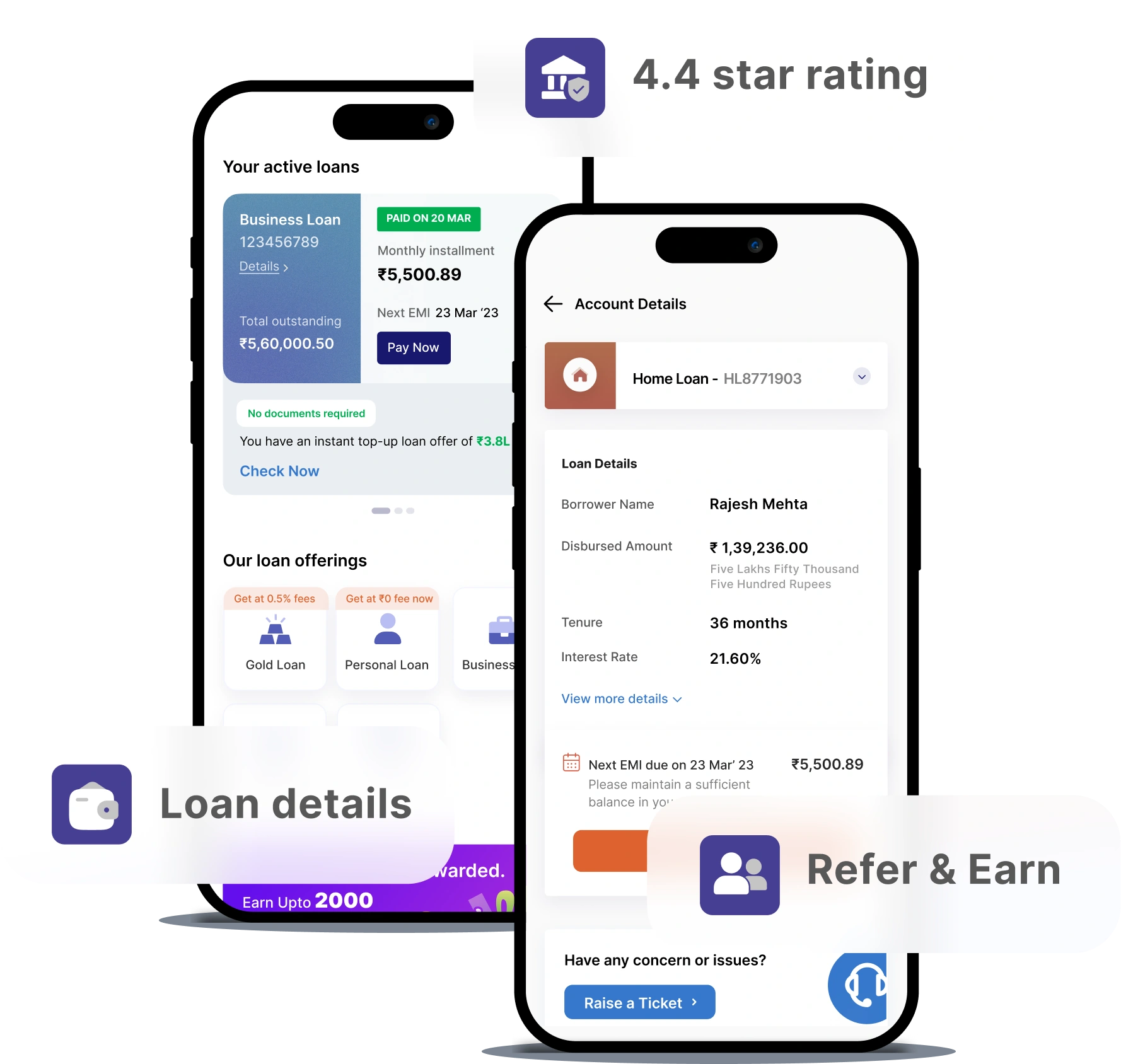
Access comprehensive information about your loans
Share the benefits of our loan app and earn rewards
Trusted by thousands of users
Getting a Gold Loan from IIFL Finance is simple and hassle-free. Any Indian resident aged 18 years or above with gold jewellery can apply. The process requires only basic KYC documents such as Aadhaar and PAN, no income proof or credit score needed, ensuring quick approval and easy disbursal.
Explore the eligibility criteria to apply for a Gold Loan online with IIFL Finance.
You must be between 18 and 75 years of age at the time of loan disbursement
You must own the gold you are pledging.
Gold purity must be between 18 and 22 karats
A gold loan borrower must submit one of the following document as part of the Reserve Bank of India’s “Know Your Customer” (KYC) norms:
Aadhaar Card
Valid Passport
PAN Card
Valid Driving Licence
Voter ID Card
Ready to unlock the value of your gold?
No hidden charges.
Agricultural expenses, such as purchasing seeds, fertilisers, irrigation equipment, farm machinery, tractors, labour payments, and crop-related working capital, often require timely financial support. An Agriculture Gold Loan allow farmers to pledge their gold ornaments as collateral and access funds to meet these agricultural requirements. By pledging their gold without selling it, farmers can manage and expand their farming activities in a structured manner.
Borrowers under a
Gold Loan for agriculture
can choose structured repayment options such as:
Interest-only repayment:
Pay the interest at regular intervals during the loan period and repay the principal amount at the end.
Bullet repayment:
Repay the entire outstanding amount in one lump sum at the end of the agreed loan tenure.
Repayment frequency:
Select the preferred interest payment frequency at the time of loan sanction.
These options help farmers plan repayments according to their seasonal earnings.
Farmers can repay their
Agriculture Gold Loan
using the IIFL Loans Mobile App. The app allows them to:
View account summary
Check the complete loan statement
Download interest certificates
Raise service-related queries
This helps track and manage repayments without visiting a branch.
Repayments can also be made at the IIFL branch, where customers may:
Pay interest amounts in cash
Repay principal dues
Seek guidance from the Branch executive on available payment modes
Customers can visit the branch to complete payments and request assistance on using other payment options for added convenience in future transactions.
Agriculture Gold Loan repayment structures follow defined servicing processes, including:
Clear repayment schedules
Documented loan terms
Clearly defined servicing processes, including timely reminders, structured repayment schedules, and documented procedures for overdue handling
These safety measures help ensure disciplined borrowing and repayment throughout the loan tenure.
IIFL Finance, a trusted name in financial services, offers specialized gold loans for agriculture to support farmers with their financial needs. Here’s why you should avail them:
Tailored Gold Loans for Agriculture:
IIFL Finance offers customized gold loans for agriculture, designed to meet the specific needs of farmers.
Extensive Branch Network:
With a wide presence across 2,800+ branches in India, IIFL Finance ensures accessibility for farmers nationwide.
Straightforward “Seedhi Baat” Approach:
Transparency in gold loan interest rates, processing charges, and terms ensures a hassle-free experience.
Safety First:
Pledged gold is stored in secure vaults and insured for added peace of mind.
Easy Application Options:
Apply online through user-friendly digital channels.
Visit a nearby branch for personalized assistance.
Quick and Hassle-Free Process:
The agri gold loan procedure is streamlined to save time and effort for farmers.
Customer-Centric Services:
IIFL Finance prioritizes farmers' needs, making it a top choice for gold loans for agriculture in India.
IIFL Finance Gold Loan Calculator
is an online tool that helps you estimate the loan amount you may be eligible for by pledging your gold jewellery. It works by considering a few key factors related to your gold and the lender’s policies.
Specify how many gold ornaments you plan to pledge; the calculator evaluates each item individually.
Input the applicable interest rate and loan duration to view the estimated interest calculation.
Provide the weight of every ornament in grams based on the jewellery measurement
Choose the carat value for each item (such as 18K–22K), as the eligible loan amount depends on the purity of the gold.
Once the details are entered, the calculator will display:
Estimated Maximum Loan Amount you may be eligible for.
Interest payable based on the selected payment frequency (monthly, quarterly, semi-annual, or 9-monthly).
Total interest payable over the chosen loan tenure.
Total repayment amount, including both principal and interest.
This simple process allows you to quickly estimate your loan eligibility and repayment details, helping you make informed decisions before applying for a Gold Loan with IIFL Finance.
Purchasing gold in India comes with a layer of taxes. A 3% Goods and Services Tax (GST) is levied on the gold value, excluding making charges, which are taxed at 5% GST. Additionally, imported gold attracts a 10% import duty and a 0.5% Agriculture Infrastructure Development Cess (AIDC). When selling gold held for more than three years, a 20.8% Long-Term Capital Gains Tax (LTCG) applies to the profit. These taxes add up to about 18% of the total gold purchase value, so understanding them is crucial before investing in gold in India.
GST on Gold Value
GST on Making Charges
Import Duty
Agriculture Infrastructure Development Cess
LTCG Tax (held 3+ years)
Access comprehensive information about your loans
Share the benefits of our loan app and earn rewards
Trusted by thousands of users
Meeting eligibility and submitting documents helps ensure a smooth, hassle-free gold loan process in Nadiad.
Age:
Borrowers must be between
18 and 70 years
to apply.
Gold Purity:
Eligible gold is typically
18 and 18 to 22 carats
in purity.
Identity Proof:
Valid government ID such as
Aadhaar, Passport, or Voter ID.
Address Proof:
Documents like
Aadhaar, utility bills, or rental agreement
accepted.
PAN Card:
PAN is required for KYC and tax compliance.
The growing economy enforces a constant demand for gold in the city of Sangli all-round the year with periodic fluctuations. In a vibrant market like Sangli, it is always better to know the market consequences related to gold buying and selling here. For evaluation of gold prices today in Sangli, you can also differentiate the current gold price with the historical data of the same city.
It is a wise idea to check the gold rates in the city before buying or selling gold. You are expected to do your homework on research in the city on gold prices so that you save your hard-earned money by not getting into irrational gold trading practices. Always look for the best deal when buying gold as per current market rates as the market is volatile and the transaction value simply gets affected.
In Sangli the price of gold is reliant on some external factors, so it's essential to check the gold prices. These factors include:
Depending greatly on the demand-supply dynamics, Sangli's gold prices get impacted and as a result, the prices rise extremely.
The US dollar influences the 22 Karats gold prices heavily in the markets. No other currency is a determinant for gold prices like the US dollar.
The gold rate margins in Sangli are influenced by the gold taxes levied by the local jewellers.
The frequent trading dynamics in Sangli impact the interest rates on gold and fluctuation is the main reason besides gold buying and selling.
A seat of dynamic trading transactions, Sangli's residents have a deep fondness for gold investments. For the long future of their gold kitty, people have a keen eye on the quality of gold they acquire that is focused on its purity 100%. So, the obvious choice of the people is 916-hallmark gold at the price at which it is purchased in Sangli. They confirm the 916-hallmark gold they buy has the certification from BIS (Bureau of Indian Standards). If you need to know further about 916 hallmark gold, look up the information given below:
The local jewellers fix a tax on the gold price in Sangli and this sets the price of the international markets at which rate the local jewellers import gold to the city.
The pricing of gold is always supported by the demand-supply forces and this is instrumental in setting the gold price in international markets overall.
The market is impacted by the hallmark gold in comparison to other variants like 18 karats and 24 karats.
If you are buying or selling gold, it's very important to check the purity to save you from fraudulent practices prevailing in the gold market. Be very sure of its evaluation process to confirm its genuine value as per market prices.
For authentic information on the method to check gold prices in Sangli, see the following:
Gold Value = (Gold's purity x weight x gold rate) / 24
Gold value = (Gold's purity x weight x gold rate) / 100
For applying for a gold loan in Sangli, besides buying or selling gold, you need to know about two methods for using those. They shall help examine gold prices in Sangli.
Every city is unique by itself due to a variety of features that shape its identity and character. Sangli has a rich turmeric trade worldwide and is a great pilgrimage centre. The culture is completely different here compared to other cities in Maharashtra and so are its gold rates. The buying and selling of this yellow metal in Sangli is different from that of Solapur. The other factors that also impact the gold prices here are:
The import of gold in Sangli is determined by the changes in the international gold rate. And also, the tax imposed on the gold by local jewellers makes gold pricier.
Increase in demand shows a dip in the market on gold prices and that changes completely if there is a slack in demand.
There are some simple techniques to check the purity of gold. If you need more clarity you must seek the help of a professional jeweller or a gold assayer.
Probe the gold for any hallmarks or stamps to confirm the purity with a magnifying glass.
A visual inspection will point out any damage that can result in discoloration or tarnishing of the gold.
A simple magnetic test is an easy way to check the purity of gold. Pure gold is non-magnetic and only this is good enough to confirm the purity in a magnetic test.
Perform a nitric test to check the purity of gold. This test is a bit difficult to perform alone, so it is better to call a professional gold dealer to handle this test as it involves chemicals.
Select items and enter each jewellery weight and purity to compute total eligible loan.
Adjust annual interest rate and select interest payment frequency for instant estimates.
See monthly interest, total interest payable, and total repayment in real time.
This is an indicative estimate, not a loan offer. Your final amount is set after we check your gold at the branch.
IIFL Finance Limited is registered with the Reserve Bank of India as a non-banking financial company. For complaints, see our grievance redressal policy.
A Gold Loan offers quick access to funds by pledging your gold jewellery as collateral. With competitive interest rates, minimal documentation, and quick disbursal, it’s ideal for meeting your financial needs. You can enjoy flexible repayment options with no hidden charges. With 2,800+ branches across 1,500+ cities, IIFL Finance makes Gold Loan services accessible across India.
 Why Choose IIFL Finance for Gold Loans?
Gold Loans offer a convenient way to access funds when required. After the completion of gold evaluation and required documentation, the loan amount is processed and disbursed promptly, subject to internal policies and applicable regulations.
Applying for a gold loan typically requires a one-time visit to the branch for gold evaluation, documentation, and loan processing. After the loan is disbursed, customers can conveniently manage repayments, renewals, and other service requests through online channels like IIFL Loans App.
Gold loans are processed with basic documentation in line with applicable KYC requirements. Customers are generally required to provide valid identity and address proof, such as Aadhaar and PAN, enabling a streamlined loan process.
Gold pledged for the loan is evaluated using standardised purity-testing methods and equipment, such as karat meters. Customers are informed about the assessed purity and weight of the pledged gold, and the loan amount is determined based on applicable loan-to-value (LTV) norms and prevailing gold prices, in accordance with regulatory guidelines.
The gold pledged with IIFL Finance is stored in secure vaults with appropriate safety and surveillance measures. The pledged gold is also covered under applicable insurance arrangements, helping ensure its protection while it remains in the lender’s custody during the loan tenure.
IIFL Finance offers a Gold Loan Top-up facility for eligible customers who may require additional funds without closing their existing loan. The additional amount is offered based on the pledged gold’s value and prevailing gold prices, subject to internal policies and LTV norms.
Choose from multiple repayment options based on your financial convenience. Customers may pay interest during the loan tenure and repay the principal amount at the end, subject to applicable terms. IIFL Finance offers flexible repayment structures designed to suit different financial needs.
Applying for a Gold Loan with IIFL Finance is quick and convenient. Start the process online or visit your nearest branch. With minimal documentation and transparent gold evaluation, you can access funds with ease.
 How to Avail Gold Loan ?
Ready to unlock the value of your gold?
Visit the IIFL Finance website, go to the Gold Loan section, and click “Apply Now.” Enter your basic details such as name, mobile number, and pincode. Visit the IIFL Finance website, go to the Gold Loan section, and click “Apply Now.” Enter your basic details such as name, mobile number, and pincode.
Verify your mobile number using OTP and book an appointment at your preferred branch.
Carry your gold jewellery (18–22K) and basic KYC documents such as Aadhaar and PAN.
The valuer checks the purity and weight of your gold using standard testing methods.
Submit the required KYC documents. Verification is completed as per regulatory guidelines.
Once evaluation and verification are complete, the loan is approved and the amount is disbursed to your bank account.
With a transparent fee structure and zero hidden charges, IIFL Finance Gold Loan offers customers a clear and reliable way to meet their capital requirements. Below are the applicable fees and charges:
| Types of Fee | Applicable Charges |
|---|---|
| Interest Rate | 0.81% onward p.m. (9.72% - 27% - 27% p.a.) Gold Loan Interest Rates vary according to the loan amount and repayment frequency |
| SMS Charges* | ₹5.00 per Quarter |
| Processing Fee* | ₹0 onwards Varies depending on scheme availed |
| MTM Charges | ₹500.00 Valuing an asset to reflect its current market rate |
| Auction Charges | ₹1500.00 |
| Overdue Notice Charges | ₹200 (per Notice) |
Getting a Gold Loan from IIFL Finance is simple and hassle-free. Any Indian resident aged 18 years or above with gold jewellery can apply. The process requires only basic KYC documents such as Aadhaar and PAN, no income proof or credit score needed, ensuring quick approval and easy disbursal.
Explore the eligibility criteria to apply for a Gold Loan online with IIFL Finance.
You must be between 18 and 75 years of age at the time of loan disbursement
You must own the gold you are pledging.
Gold purity must be between 18 and 22 karats
A gold loan borrower must submit one of the following document as part of the Reserve Bank of India’s “Know Your Customer” (KYC) norms:
Aadhaar Card
Valid Passport
PAN Card
Valid Driving Licence
Voter ID Card
Ready to unlock the value of your gold?
No hidden charges.
At IIFL Finance, the safety and security of pledged gold is managed through robust processes designed in line with applicable regulatory guidelines and internal risk management standards. From the moment the gold is collected by an authorized representative, defined verification and documentation procedures are followed to ensure transparency and accuracy.

Each ornament is carefully assessed, weighed, and verified before being stored in highly secure vaults. After valuation, the pledged gold is kept in high-security facilities equipped with restricted access, advanced surveillance systems, and round-the-clock monitoring to ensure complete protection of customer assets.
verification process.
Gold is securely stored and released through defined operational procedures.
Transparent processes help ensure trust throughout the loan journey.
A secure, reliable, and customer-first gold loan experience.
When you pledge gold with IIFL Finance for a gold loan, its custody and protection are managed through structured processes aligned with applicable regulatory requirements and internal risk management standards. Gold pledged by customers is typically covered under an institutional insurance policy maintained by the lender, ensuring protection for the asset during the entire loan tenure. The insurance coverage generally includes:
Protection against theft, loss, or accidental damage
while the gold is in transit or under the custody of the lender.
Coverage against unforeseen events
such as fire or other specified risks that may affect the storage facilities.
Insurance arranged through authorised insurers,
in accordance with prevailing industry practices and regulatory expectations.
Before storage, each pledged ornament undergoes standardised assessment, weighing, and documentation, and the details are recorded in the loan records. These records form the basis for asset tracking and, if required, the insurance claim process.
In the unlikely event of loss or damage, any claim is typically evaluated based on:
The recorded weight and purity
of the pledged gold at the time of loan processing.
Compensation determined as per applicable policy terms and prevailing gold prices,
in line with recognised market benchmarks.
Customers should note that the insurance policy is generally maintained in the name of the lending institution, as the pledged gold remains under the lender’s custody during the loan tenure. However, customers may be required to provide necessary documentation or support during the claim process if needed.
In case of the borrower’s death, legal heirs may redeem the pledged gold by following the lender’s prescribed process and settling any outstanding loan dues, subject to verification and applicable documentation requirements.
These measures are designed to ensure transparency, asset protection, and adherence to responsible lending practices throughout the gold loan lifecycle.
A default on a gold loan happens when you miss or delay your payments, or fail to pay any other dues such as interest or fees by the scheduled dates. It may also include breach of loan terms, providing incorrect information, or not maintaining the required security margin.
At IIFL Finance, we understand that financial challenges can arise unexpectedly, and our approach is always transparent and customer-friendly. Here’s what typically happens if a default occurs:
You’ll first receive gentle reminders via calls, messages, or emails, along with a short grace period to help you make your payments.
If the dues remain unpaid, a formal notice is issued, providing a clear 10-business-day window before any further action.
As a last resort, the pledged gold may be auctioned in accordance with Reserve Bank of India (RBI) guidelines. The sale proceeds are used to clear outstanding dues, and any remaining balance is refunded to you.
To help you avoid such outcomes, IIFL Finance offers options like:
Loan restructuring or tenure extensions, subject to approval.
Guidance on repayment plans to help you get back on track.
Keep in mind that defaulting can affect your credit score and may impact your ability to get loans in the future. We always encourage timely repayments to maintain a healthy credit record and ensure continued access to financial support when you need it most.
Real experiences from customers who trusted IIFL Finance for their gold loan needs
When I visited IIFL Finance it just took a few minutes to process the loan and the process was very transparent. I have advised my friends to get their gold loans from IIFL.
Venkatram Reddy
When I visited IIFL Finance it just took a few minutes to process the loan and the process was very transparent. I have advised my friends to get their gold loans from IIFL.
Venkatram Reddy
When I visited IIFL Finance it just took a few minutes to process the loan and the process was very transparent. I have advised my friends to get their gold loans from IIFL.
Venkatram Reddy
When I visited IIFL Finance it just took a few minutes to process the loan and the process was very transparent. I have advised my friends to get their gold loans from IIFL.
Venkatram Reddy
When I visited IIFL Finance it just took a few minutes to process the loan and the process was very transparent. I have advised my friends to get their gold loans from IIFL.
Venkatram Reddy
 Gold Loan
Two generations of a dinner set, a heavy silver plate for festivals, a set of tumblers bought decade…
Gold LoanTwo generations of a dinner set, a heavy silver plate for festivals, a set of tumblers bought decade…
Gold LoanTwo generations of a dinner set, a heavy silver plate for festivals, a set of tumblers bought decade…
Gold LoanTwo generations of a dinner set, a heavy silver plate for festivals, a set of tumblers bought decade…
Gold LoanTwo generations of a dinner set, a heavy silver plate for festivals, a set of tumblers bought decade…
We have partnered with the following fintech companies:
Find information about gold loan interest rates, eligibility, cities, and more
Understanding gold loan eligibility criteria is simple with IIFL Finance. Indian residents aged 18 years and above can apply for a gold loan by pledging eligible 18 to 22 carat gold jewellery, subject to appraisal and verification. The eligible loan amount is determined by the gold's weight, purity and applicable valuation norms. Explore the complete gold loan eligibility, required documents and key factors that determine the loan amount available against your gold.
Regulated NBFC
4.8 stars from 50,000+ reviews
Pledged gold is secured and insured
Zero hidden charges
30+ years of trust
Trusted by 1 Cr+ happy customers
Before applying for a Gold Loan, it is important to check the eligibility requirements to ensure a smooth and quick application process. At IIFL Finance, the process is designed to be simple and customer-friendly, with minimal documentation and faster approvals. Checking your eligibility helps you understand the loan amount you may be able to avail based on the purity and weight of your gold jewellery, helping avoid unnecessary delays.
Age:
Minimum 18 years and up to 70 years at the time of loan disbursal.
Occupation:
Both salaried and self-employed individuals can apply.
Credit Score:
Since Gold Loans are secured against pledged gold, a credit score may not always be mandatory.
Ownership:
The applicant must be the rightful owner of the gold jewellery being pledged.
Purity:
Gold jewellery typically ranging between
18K and 22K purity
may be accepted for pledge.
Type:
Gold jewellery
is generally accepted, subject to valuation and lender policies.
Proof of Identity:
Valid KYC documents such as
Aadhaar Card, Passport, or Voter ID,
and PAN
Proof of Address:
Documents such as
utility bills, Passport, or Voter ID
may be accepted.
Photographs:
Recent
passport-sized photographs
may be required for the loan application.
At
IIFL Finance
, we aim to make Gold Loans simple, transparent, and easy to access for our customers. With a customer-first approach and a streamlined process, applying for a Gold Loan becomes quick and convenient.
To understand the
Gold Loan eligibility
criteria and application process in detail,
watch the video for complete guidance. If you meet the eligibility requirements mentioned above, you can apply for an online Gold Loan by clicking the
“Apply Now”
button. Fill in the required details and submit the application form, and an
IIFL Finance representative
will contact you to guide you through the next steps of the Gold Loan process.


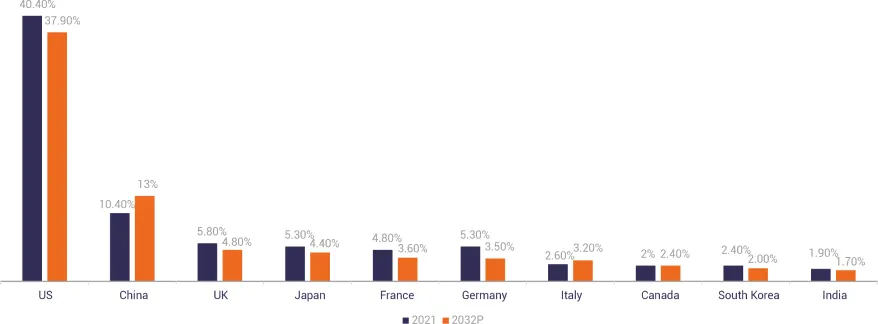
India has a notably low level of insurance penetration, with only 3.7% compared to the global average of 7.2%. The majority of people in India still lack access to even basic insurance coverage, leading them to depend on loans to handle risks such as crop failure, accidents, property damage, and medical emergencies that could otherwise be covered by insurance.
The complexity and impersonal nature of insurance products and customer experiences, along with the high cost and scalability issues of traditional distribution channels, are significant factors contributing to India's inadequate insurance penetration.
Around 80% of retail insurance in India is distributed through traditional push-based channels involving intermediaries like agents and brokers. Customers often struggle with understanding insurance products, determining their insurance needs, and maintaining a low level of trust in insurance providers and intermediaries.
The Indian Insurance market is expected to reach $200 BN by 2027. The country is 9th largest Life Insurance Market and also 14th largest Non-Life Insurance market globally.
Per capita insurance density in India has increased from $ 11.1 in 2001 to $ 91 in 2021 (Life insurance- $ 69, non-life insurance - $ 22) India has is gradually witnessing a steady increase in insurance penetration (from 2.7% in 2000 to 4.2% in 2021). The insurance penetration in the life insurance sector was 3.2% in 2021 -twice more than emerging markets and slightly above the global average.
In FY22, the gross direct premium of non-life insurers and life insurers witnessed a YoY growth of 10.8% and 10.2%, respectively. In FY23, the New Business Premium of the life insurance industry grew at 17.91% with private insurers accounting for 37% of the NBP of ~$45 bn
Introducing a white-labelled API-enabled insurance integration platform, powered by Riskcovry, which allows customers to secure insurance coverage conveniently from their digital devices with just a few clicks. This eliminates the need to search elsewhere or make separate purchases.
By developing a comprehensive digital infrastructure for insurance, the platform enables businesses across various sectors, including business correspondents, lenders, agri-businesses, and content platforms, to effortlessly offer their customers a wide range of insurance products. These products can be both standardized and tailored to meet specific requirements. Riskcovry aims to bring customer-centric insurance products to mass markets and takes this approach to the next level by providing an end-to-end digital insurance solution. Additionally, the platform offers users a cohesive package of services, including customized insurance plans that are designed to align with their individual needs.
Our relationship with IIFL goes back many years. In a world where capital is increasingly commoditized, it is rare to find a partner like IIFL that goes the extra mile in not just equipping us with best practices as it relates to financial services but more pragmatically also opens doors to tap into their vast distribution network. It is a privilege for us to partner with the group given their depth and expertise in the financial services space. The recent funding event greatly contributed to paving the way for us to accelerate our journey in building a critical mass of products, modules and use cases that our platform can power, thereby inching forward to our goal of increasing insurance penetration in the country".










Expertise in loan against securities

Transparent processes

Over 6 Million satisfied customers
Goods and Services Tax (GST) has made tax calculation simple and easy for taxpayers since its introduction in 2017. Knowing the tax slab a product falls under, one can easily determine the applicable GST. This increased transparency allows taxpayers to understand how much tax is paid at each production stage. One must first know the tax and its aspects to understand the GST and its calculation well. To determine this calculation, a buyer and the seller or service provider can use the GST calculator in India.
Here’s a lowdown to guide you:
Goods and Services Tax (GST) is an indirect tax that the Government of India levies on all goods and services bought in the country. Passed by the parliament on 29 March 2017 and implemented on 1 July 2017, this single tax has eliminated the previous government’s multiple indirect taxes, including Value Added Tax (VAT), sales tax, Excise Duty, and others.
Goods and Services Tax (GST) is an indirect tax that the Government of India levies on all goods and services bought in the country. Passed by the parliament on 29 March 2017 and implemented on 1 July 2017, this single tax has eliminated the previous government’s multiple indirect taxes, including Value Added Tax (VAT), sales tax, Excise Duty, and others.
GST Exclusive Amount refers to a product's value excluding the GST. To work this amount out, the GST amount is deducted from the item’s GST-inclusive value.
Each Indian enterprise must register for GST and have a GST Identification Number (GSTIN). Consumers must pay this tax for each item they purchase or service they use, making it crucial to understand how to calculate GST online accurately.
A GST tax calculator is a ready-to-use online tool for calculating the amount of GST applicable to different transactions. Depending on the good or service, it calculates how much you must pay for the month or quarter. It helps you determine a product or service’s gross or net price according to the amount and gives you a breakdown of the GST rates that are percentage-based.
The unified GST system simplifies tax by having one set of tax rates nationwide. This means taxpayers can easily understand how much tax is applied at each stage for different goods and services. To calculate GST, you just need to know the specific tax rate assigned to the category of the good or service you're purchasing.
There are four main GST slabs: 5%, 12%, 18%, and 28% for most products and services. Multiply the taxable amount (price before tax) by the applicable GST rate. So, the formula will be: GST Amount = (Original Cost X GST% ) / 100 Net Price = Original Cost + GST Amount
If a price already includes GST (inclusive price), you can use a formula to remove the GST and calculate the price excluding GST (exclusive price).
GST= Original cost – [Original cost x {100/(100+GST%)}]
Net price = Original cost – GST
For intrastate transactions, you'll calculate both Central GST (CGST) and State GST (SGST) or Union Territory GST (UTGST).
For interstate transactions, you'll calculate the Integrated GST (IGST) using this method. In this case, the CGST and SGST/UTGST rates are each half of the total GST rate. The sum of CGST and SGST/UTGST will equal the total GST amount.
Let's calculate the net price for a Rs 200 product with 18% GST:
The GST amount will be 200 x 18% = Rs. 36.
The net amount you’d have to pay would be: Rs 200 + Rs 36 = Rs. 236
Similarly, if you need to calculate the amount by removing GST:
Price Including GST: Rs 200 (the total price you see on the bill)
GST Rate: 18% (applicable GST for the item)
Net Price = Rs 200 / (1 + 18/100)
Net Price = Rs 200 / (1.18)
Net Price = Rs 169.49 (approx.)
Therefore, the net price of the item before GST is approximately Rs 169.49.
Using a GST calculator online is a straightforward process, and most calculators have similar input fields. Follow this step-by-step guide:
Input the Taxable amount or the price of the good or service before GST is applied.
Enter or select the GST applicable to the product or service from the drop-down list (5%, 12%, 18%, or 28%).
Select whether it’s GST Inclusive or GST Exclusive
Click on Calculate
Some calculators specify CGST & SGST/UTGST separately (for intra-state transactions). Calculators usually also give you the breakdown of the calculation according to SGST and CGST.
Online and easy GST calculators offer several advantages for taxpayers:
They are user-friendly and provide quick and time-saving results, avoiding the need for manual calculations.
Since these calculators can calculate GST amount automatically, they significantly reduce the risk of errors that can occur with manual calculations.
These tools can break down the total GST amount into its individual components (CGST, SGST, and IGST), which can be complex to calculate manually.
There are four main GST slabs: 5%, 12%, 18%, and 28% for most products and services. Multiply the taxable amount (price before tax) by the applicable GST rate. So, the formula will be:
If a price already includes GST (inclusive price), you can use a formula to remove the GST and calculate the price excluding GST (exclusive price).
For intrastate transactions, you'll calculate both Central GST (CGST) and State GST (SGST) or Union Territory GST (UTGST).
For interstate transactions, you'll calculate the Integrated GST (IGST) using this method. In this case, the CGST and SGST/UTGST rates are each half of the total GST rate. The sum of CGST and SGST/UTGST will equal the total GST amount.
Let's calculate the net price for a Rs 200 product with 18% GST: The GST amount will be 200 x 18% = Rs. 36.The net amount you’d have to pay would be: Rs 200 + Rs 36 = Rs. 236
Similarly, if you need to calculate the amount by removing GST:
Price Including GST: Rs 200 (the total price you see on the bill)
GST Rate: 18% (applicable GST for the item)
Net Price = Rs 200 / (1 + 18/100)
Net Price = Rs 200 / (1.18)
Net Price = Rs 169.49 (approx.)
Therefore, the net price of the item before GST is approximately Rs 169.49.

Using a GST calculator online is a straightforward process, and most calculators have similar input field.
Follow this step-by-step guide:
Input the Taxable amount or the price of the good or service before GST is applied.
Enter or select the GST applicable to the product or service from the drop-down list (5%, 12%, 18%, or 28%).
Select whether it’s GST Inclusive or GST Exclusive.
Click on Calculate.
Some calculators specify CGST & SGST/UTGST separately (for intra-state transactions). Calculators usually also give you the breakdown of the calculation according to SGST and CGST.
Online and easy GST calculators offer several advantages for taxpayers:
They are user-friendly and provide quick and time-saving results, avoiding the need for manual calculations.
Since these calculators can calculate GST amount automatically, they significantly reduce the risk of errors that can occur with manual calculations.
These tools can break down the total GST amount into its individual components (CGST, SGST, and IGST), which can be complex to calculate manually.
Calculators can help you estimate the final price (including GST) for your purchases, giving you a clear picture of your tax obligations.
A calculator eliminates the chances of any fraudulent activities if you know your taxes.
By understanding your tax liabilities through a GST calculator, you can ensure all necessary details are prepared for filing your GST return within the required deadlines. Deadlines should be adhere to avoid penalties.
Disclaimer:
IIFL Finance Limited reserves the right to approve or reject any application at its sole discretion, in accordance with applicable policies and regulatory guidelines. Read More